“Saya merasa tertekan setiap kali pulang kampung karena keluarga tidak terima saya menikah beda agama. Bagaimana cara saya cope dengan guilt dan anxiety ini?” – Anonymous, 28 tahun, Jakarta.
Konflik keagamaan tidak selalu berupa bentrokan fisik di jalanan. Lebih sering, konflik ini terjadi di ruang paling intim: keluarga, pernikahan, tempat kerja, dan bahkan di dalam diri sendiri (internal conflict tentang identitas religius). Dampak psikologisnya: anxiety, depresi, trauma, identity crisis, bahkan PTSD.
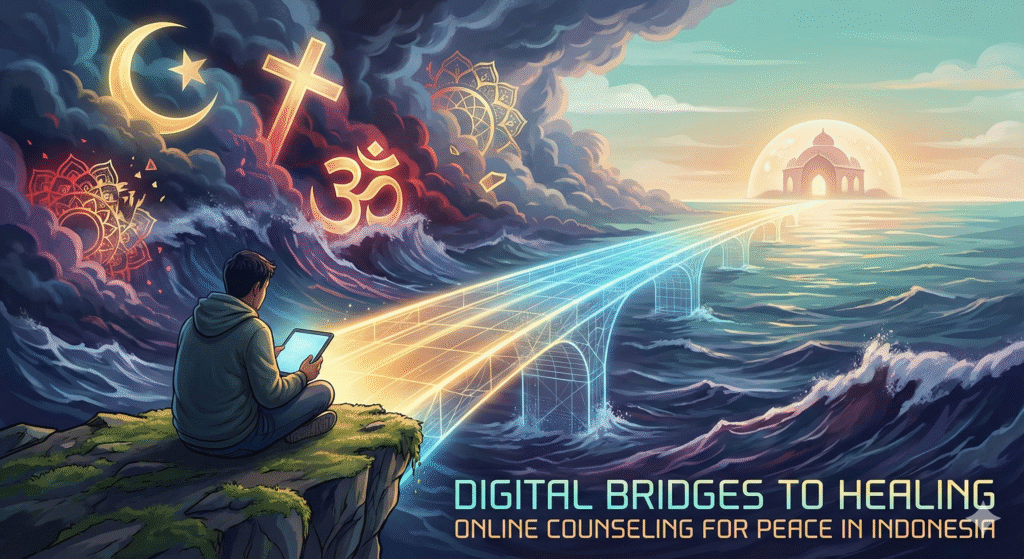
Kabar baiknya: konseling psikologi konflik agama kini bisa diakses secara online dengan mudah, anonim, dan affordable (Rp 250K-500K per sesi). Artikel ini membahas: jenis konflik yang butuh terapi, 6 platform terbaik di Indonesia, cara memilih psikolog yang religiously sensitive, biaya, dan tips memaksimalkan sesi konseling.
Jenis Konflik Keagamaan yang Memerlukan Konseling Psikologi
1. Konflik Keluarga Berbasis Agama
Contoh Kasus:
- Anak convert agama, rejected by family
- Pernikahan beda agama ditentang orang tua
- Sibling rivalry karena perbedaan interpretasi agama (one becomes more conservative)
- Inheritance dispute dengan unsur agama
Dampak Psikologis:
- Guilt (merasa mengecewakan keluarga)
- Anxiety (takut dikucilkan)
- Depresi (kehilangan support system)
- Identity confusion (torn between family loyalty and personal belief)
Data Bicarakan.id (2024): 23% dari 121,789 users yang seek konseling memiliki isu keluarga + agama sebagai concern utama atau sekunder.
2. Religious Trauma Syndrome (RTS)
Apa Itu RTS? Religious Trauma Syndrome adalah kondisi psychological distress yang muncul akibat pengalaman negatif dengan agama, seperti:
- Dibesarkan dalam environment religius yang abusive/controlling
- Mengalami spiritual abuse dari tokoh agama
- Indoktrinasi ekstrem yang menciptakan fear-based belief
- Kehilangan faith yang disertai guilt intensif
Symptoms:
- PTSD-like symptoms (flashbacks, nightmares tentang “dosa” atau “neraka”)
- Chronic anxiety dan hypervigilance
- Difficulty making decisions tanpa “religious approval”
- Shame dan self-hatred yang mendalam
- Social isolation (takut judgment dari komunitas religius)
Prevalence: Belum ada data spesifik Indonesia, tapi berdasarkan global studies (Religious Trauma Institute, 2023), estimated 15-20% individu yang leave strict religious background mengalami RTS dalam berbagai degree.
3. Interfaith Relationship Stress
Scenario:
- Pasangan beda agama menghadapi tekanan sosial
- Perbedaan dalam child-rearing (agama anak akan dibesarkan bagaimana?)
- Konflik tentang praktik religius sehari-hari
- Extended family interference
Psychological Impact:
- Relationship anxiety (takut hubungan tidak sustain)
- Decision paralysis (bingung pilih agama siapa untuk anak)
- Resentment (merasa partner tidak cukup fight untuk relationship)
- Chronic stress affecting physical health
Data KALM Psychology (2024): Dari 8,400 sesi couple therapy, 32% involve religious differences sebagai primary atau contributing factor.
4. Identity Crisis & Deconversion Trauma
Ketika Meninggalkan Agama atau Berubah Agama:
- Loss of community (ditinggalkan teman-teman religius)
- Existential crisis (kehilangan meaning & purpose yang dulu disediakan agama)
- Grief untuk “diri yang lama”
- Fear of afterlife (jika masih ada residual belief)
Contoh: Seseorang yang raised Muslim strict, setelah eksplorasi intelektual memutuskan menjadi agnostic. Meskipun intellectually at peace, secara emosional struggle dengan: kehilangan identitas sebagai “Muslim”, takut mengecewakan Allah (residual fear), dan isolasi dari komunitas.
5. Post-Conflict Trauma (Survivors of Religious Violence)
Untuk Korban Konflik Komunal:
- Survivors konflik Ambon, Poso, atau insiden intoleransi
- PTSD dari kekerasan yang mereka witness atau alami
- Difficulty trusting people dari agama “other”
- Hypervigilance dan trauma triggers (misal: suara keras, kerumunan)
Need Specialized Trauma-Informed Therapy:
- Tidak semua psikolog trained in trauma therapy
- Perlu approach seperti EMDR (Eye Movement Desensitization and Reprocessing) atau Trauma-Focused CBT
Link ke: Literasi Digital untuk Mencegah Radikalisasi Online
6 Platform Konseling Psikologi Online Terbaik di Indonesia
1. Bicarakan.id – Market Leader
Profil:
- Established: 2017
- Users: 121,789+ (data Juni 2024)
- Psikolog: 46+ professionals (semua S2 Psikologi Klinis + licensed)
- Specialties: Varied, including religious trauma & interfaith counseling
Services:
- Chat Therapy: Rp 250,000 per sesi (unlimited messages for 7 days with 1 psikolog)
- Video Call: Rp 350,000 per sesi (60 menit)
- Voice Call: Rp 300,000 per sesi (60 menit)
Religious Sensitivity:
- 8 psikolog explicitly list “religious conflict” sebagai expertise
- Bisa request psikolog dengan background agama tertentu (jika prefer)
- Confidentiality guarantee (anonim, data encrypted)
Pros: ✅ Largest network, most options ✅ Affordable chat therapy (cocok untuk yang budget limited) ✅ User-friendly app (iOS & Android) ✅ Response time fast (rata-rata <24 jam untuk chat)
Cons: ❌ Video call agak mahal dibanding kompetitor ❌ Tidak semua psikolog available 24/7 (mostly business hours)
Best For: First-timers, yang prefer chat over video, budget Rp 250K-350K
Website: www.bicarakan.id
2. Ibunda.id – Holistic Approach
Profil:
- Established: 2015
- Locations: Jakarta & Bandung (hybrid: offline/online)
- Psikolog: 30+ licensed professionals
- Approach: Holistic (psikologi + spiritual wellbeing)
Services:
- Individual Therapy: Rp 400,000 per sesi (60-90 menit)
- Couple/Family Therapy: Rp 600,000 per sesi (90 menit)
- Group Therapy (for shared trauma, ex: RTS support group): Rp 150,000 per orang per sesi
Religious Sensitivity:
- Specialization dalam faith-integrated therapy (incorporate spiritual values jika klien mau)
- Psikolog trained di mindfulness & spirituality
- Safe space untuk discuss religious doubts tanpa judgment
Pros: ✅ Holistic approach (tidak hanya symptom tapi juga spiritual meaning) ✅ Couple/family therapy (cocok untuk interfaith relationship issues) ✅ Group therapy option (powerful untuk shared experience) ✅ Offline option available (some prefer face-to-face)
Cons: ❌ Lebih mahal dari rata-rata ❌ Limited availability (need to book 1-2 weeks ahead) ❌ Tidak ada chat-only option
Best For: Yang prefer holistic/spiritual approach, couple therapy, atau prefer offline option
Website: www.ibunda.id
3. KALM – Private & Affordable
Profil:
- Established: 2019
- Focus: Private practice network (bukan corporate, lebih personal)
- Psikolog: 25+ independent practitioners
Services:
- Video/Voice Call: Rp 300,000 per sesi (60 menit)
- Package Deals: 4 sesi Rp 1,000,000 (save Rp 200K)
- Sliding Scale: Diskon 20-40% untuk pelajar/mahasiswa/income rendah (with proof)
Religious Sensitivity:
- Several psikolog specialize dalam interfaith counseling & religious trauma
- Non-judgmental environment emphasized
- Psikolog vetted untuk cultural & religious competence
Pros: ✅ Affordable dengan sliding scale (Rp 180K-300K tergantung income) ✅ Package deals good for long-term therapy ✅ More personal (bukan corporate, jadi psikolog lebih flexible) ✅ LGBTQ+ friendly (penting karena religious trauma sering intersect dengan sexual orientation issues)
Cons: ❌ Smaller network (pilihan psikolog lebih sedikit) ❌ No chat therapy option ❌ Website kurang user-friendly (book via WhatsApp)
Best For: Yang butuh affordable long-term therapy, pelajar/mahasiswa, atau prefer private practice feel
Kontak: Instagram @kalm.indonesia (book via DM)
4. Riliv – Tech-Forward Platform
Profil:
- Established: 2016
- Approach: Digital mental health (gamification, AI pre-screening)
- Psikolog: 60+ professionals
- Corporate clients: 50+ perusahaan (employee wellness program)
Services:
- Chat Therapy: Rp 200,000 per sesi (chat selama 7 hari)
- Video Consultation: Rp 375,000 per sesi
- Mental Health Checkup: Free (AI-powered assessment sebelum match dengan psikolog)
Religious Sensitivity:
- Pre-screening algorithm consider religious background untuk matching
- Filter psikolog by specialization including “religious trauma”
Pros: ✅ Most affordable chat therapy (Rp 200K) ✅ AI matching algorithm (find right psikolog faster) ✅ Corporate wellness program (check if your company partner dengan Riliv = free/discounted) ✅ Self-help resources (articles, videos) gratis
Cons: ❌ Algoritma match tidak selalu akurat (might need to switch psikolog) ❌ Lebih clinical/impersonal feel (less warm than smaller platforms)
Best For: Budget tight (Rp 200K), yang kerja di perusahaan partner Riliv, atau prefer tech-forward approach
Website: www.riliv.co
5. PsyKay – Specialized in Trauma
Profil:
- Established: 2020
- Niche: Trauma therapy (including religious trauma, PTSD)
- Psikolog: 15+ trauma-specialized therapists (EMDR certified)
Services:
- Initial Assessment: Rp 300,000 (90 menit)
- EMDR/Trauma Therapy: Rp 500,000 per sesi (90 menit)
- Follow-up Sessions: Rp 450,000 per sesi
Religious Sensitivity:
- All therapists trained in trauma-informed care + religious trauma
- Approach: Tidak pathologize religious belief, tapi address trauma caused by religious abuse/extremism
Pros: ✅ Specialization in trauma (most qualified jika Anda ada PTSD symptoms) ✅ EMDR therapy available (evidence-based untuk trauma) ✅ Longer sessions (90 menit vs typical 60 menit) ✅ Low client-to-therapist ratio (more attention)
Cons: ❌ Most expensive (Rp 450-500K per sesi) ❌ Smallest network (hanya 15 psikolog) ❌ Butuh commitment (trauma therapy typically 8-12 sesi minimum)
Best For: Religious trauma survivors dengan PTSD symptoms, atau post-conflict trauma
Website: www.psykay.id
6. SehatQ – Integrated Healthcare Platform
Profil:
- Established: 2018
- Model: Healthcare marketplace (bukan hanya psikologi, tapi juga medical)
- Psikolog: 100+ professionals (terluas) + psychiatrists available
Services:
- Psikolog Consultation: Rp 250,000-400,000 per sesi (tergantung psikolog)
- Psychiatrist (jika butuh medication): Rp 400,000-600,000
- Therapy + Medication Management: Comprehensive package
Religious Sensitivity:
- Wide variety of psikolog with different backgrounds (easier find yang match)
- Some psikolog list “religious counseling” as sub-specialty
Pros: ✅ Terluas (100+ psikolog = most choice) ✅ Bisa langsung konsul psychiatrist jika ternyata butuh medication (depression/anxiety severe) ✅ Insurance accepted (beberapa insurance cover mental health di SehatQ) ✅ Medical record integrated (jika ada kondisi fisik yang contribute ke mental health)
Cons: ❌ Overwhelming choice (paralysis of choice – too many options) ❌ Variable quality (karena marketplace model, quality control kurang ketat) ❌ Less specialized dalam religious trauma specifically
Best For: Yang mungkin butuh medication (depression/anxiety clinical level), punya insurance, atau prefer integrated healthcare
Website: www.sehatq.com
Link ke: Mediasi Konflik Keluarga dan Komunitas
Cara Memilih Psikolog yang Religiously Sensitive
Red Flags to Avoid
❌ Psikolog yang:
- Judgmental tentang religious choices Anda
- “Harusnya Anda tidak meninggalkan agama”
- “Menikah beda agama itu salah”
- Push agenda religius mereka
- “Saya bisa bantu Anda kembali ke jalan Tuhan”
- Lebih fokus convert daripada therapeutic goals
- Pathologize religious belief or disbelief
- “Orang yang sangat religius itu neurotik”
- “Atheism is a mental illness”
- Minimize your pain
- “Ah, itu cuma fase, nanti juga hilang”
- “Banyak orang lebih parah dari Anda”
- Tidak understand religious context
- Misal: Psikolog tidak paham significance of Ramadhan, confession, atau ritual penting lain
Green Flags to Look For
✅ Psikolog yang:
- Affirming & Non-Judgmental
- “Your feelings are valid, whatever your belief”
- Tidak ada agenda selain help Anda cope dan thrive
- Cultural & Religious Competence
- Understand major religions di Indonesia
- Familiar dengan konsep seperti: takfir, apostasy, interfaith marriage laws, dll.
- Jika tidak paham, willing to learn from you
- Collaborative Goal-Setting
- “Apa yang Anda ingin capai dari therapy?”
- Not imposing their values
- Trauma-Informed (Jika Anda ada trauma)
- Understand bahwa religious trauma adalah real
- Trained dalam trauma therapy techniques
- Boundaries yang Jelas
- Confidentiality dijaga ketat
- Professional (tidak jadi teman atau spiritual guru)
Questions to Ask dalam Sesi Pertama
Before Committing to Long-Term Therapy:
- “Apa pengalaman Anda menangani konflik keagamaan atau religious trauma?”
- Good answer: Specific examples, training yang relevan
- Bad answer: “Tidak pernah, tapi saya bisa coba”
- “Bagaimana pendekatan Anda terhadap klien yang questioning faith atau meninggalkan agama?”
- Good answer: Non-judgmental, supportive, focus pada wellbeing
- Bad answer: Mencoba persuade untuk “kembali”
- “Apakah Anda pernah menangani kasus interfaith relationship stress?”
- Jika yes: Ask for success stories (anonim)
- “Apakah Anda nyaman jika saya ingin incorporate spiritual practices dalam therapy?” (atau sebaliknya: “…jika saya tidak ingin spiritual element sama sekali?”)
- Good answer: Fleksibel sesuai kebutuhan klien
- “Berapa lama typically untuk see progress dengan isu seperti saya?”
- Good answer: Realistic timeline (biasanya 6-12 sesi untuk issues non-trauma, 12-24 untuk trauma)
Tips: Tidak perlu commit setelah sesi pertama. Coba 2-3 sesi, assess apakah Anda feel safe dan heard. Jika tidak cocok, boleh switch psikolog (no guilt!).
Biaya dan Cara Pembayaran
Breakdown Biaya Rata-Rata
| Platform | Chat Therapy | Video/Voice | Notes |
| Bicarakan.id | Rp 250K | Rp 350K | 7 days chat |
| Riliv | Rp 200K | Rp 375K | Most affordable |
| KALM | N/A | Rp 300K | Sliding scale available |
| Ibunda.id | N/A | Rp 400K | Holistic approach |
| PsyKay | N/A | Rp 500K | Trauma specialist |
| SehatQ | N/A | Rp 250-400K | Variable pricing |
Average Cost per Session: Rp 250,000 – Rp 500,000
Dibanding Offline Therapy:
- Offline private practice: Rp 400,000 – Rp 800,000 per sesi
- Hospital psychiatry: Rp 500,000 – Rp 1,000,000++
- Online 30-50% lebih murah
Apakah Insurance Cover?
Good News: Beberapa corporate insurance dan BPJS Kesehatan mulai cover mental health, tapi dengan syarat:
BPJS Kesehatan:
- ✅ Cover konsultasi psychiatrist (bukan psikolog) di faskes tingkat lanjut
- ❌ Tidak cover online therapy atau psikolog private
- Process: Rujukan dari puskesmas → rumah sakit jiwa
Corporate Insurance (Prudential, Allianz, Manulife, dll.):
- ✅ Beberapa plan cover “outpatient mental health” sampai Rp 5-10 juta/tahun
- Check: Apakah SehatQ atau platform lain partner dengan insurance Anda
- Process: Bayar dulu, claim kemudian (reimbursement)
Tips: Kalau punya corporate insurance, check dengan HR apakah ada Employee Assistance Program (EAP) yang provide free/discounted counseling (many companies partner dengan Riliv, Ibunda, dll).
Cost-Saving Strategies
1. Package Deals:
- KALM: 4 sesi Rp 1 juta (save Rp 200K)
- Bicarakan.id: Kadang promo 3 sesi Rp 650K
2. Sliding Scale:
- KALM offer 20-40% discount untuk pelajar/low-income
- Email proof of income atau student ID
3. Group Therapy:
- Ibunda.id group: Rp 150K vs Rp 400K individual
- Powerful untuk shared experience (RTS survivors, interfaith couples)
4. Self-Help Resources First:
- Riliv, Bicarakan.id punya free articles & videos
- Coba self-help dulu, jika tidak cukup baru therapy
5. Corporate Wellness:
- Check apakah company Anda partner dengan platform (bisa gratis/heavily discounted)
Success Stories (Anonymized)
Case 1: Sarah, 26, Post-Convert Anxiety
Background: Sarah convert dari Islam ke Kristen saat kuliah. Keluarganya cut off contact. Mengalami severe anxiety, guilt, dan nightmares tentang “dosa” yang tidak bisa diampuni.
Therapy:
- Platform: Bicarakan.id (chat therapy, 12 sesi over 3 bulan)
- Approach: Cognitive Behavioral Therapy (CBT) untuk address anxiety + grief counseling untuk loss of family
Outcome: “Setelah 3 bulan, nightmares hilang. Saya masih sad about keluarga, tapi guilt-nya gone. Psikolog bantu saya realize bahwa saya berhak untuk choose my own belief, dan that doesn’t make me a bad person. Anxiety turun dari 8/10 ke 3/10.” – Sarah
Case 2: Amir & Linda, Interfaith Couple
Background: Amir (Muslim) dan Linda (Katolik) menikah against family wishes. Selalu bertengkar tentang: nanti anak agamanya apa, tradisi keluarga mana yang diikuti, dll. Considering divorce.
Therapy:
- Platform: Ibunda.id (couple therapy, 10 sesi over 5 bulan)
- Approach: Emotionally Focused Therapy (EFT) + conflict resolution skills
Outcome: “Therapist helped us see bahwa kita bukan ‘Islam vs Katolik’, tapi ‘Amir & Linda vs problem’. We learned to compromise: anak akan dikenalkan kedua agama, choose sendiri pas dewasa. Our marriage is stronger now.” – Amir
Case 3: Dina, Religious Trauma Survivor
Background: Dina grew up dalam community Islam yang very strict & controlling. Disuruh hijab umur 7 tahun, tidak boleh berteman dengan non-Muslim, constantly told “you’ll go to hell if you disobey”. Sekarang 30 tahun, sudah tidak religius, tapi masih ada residual fear & trauma.
Therapy:
- Platform: PsyKay (EMDR trauma therapy, 16 sesi over 8 bulan)
- Approach: EMDR untuk process traumatic memories + cognitive restructuring
Outcome: “EMDR is intense but it works. Sekarang saya bisa think about religion without panic attack. I can respect people’s beliefs tanpa triggered. Therapy gave me my life back.” – Dina
Link ke: Pilar 5 – Komunikasi dan Media dalam Moderasi Beragama
Tips Memaksimalkan Sesi Konseling
Persiapan Sebelum Sesi
1. Tulis Goals Anda Apa yang ingin Anda capai? Spesifik lebih baik.
- ❌ “Saya ingin happy”
- ✅ “Saya ingin bisa attend family gatherings tanpa severe anxiety”
2. Buat Timeline Konflik Kapan mulai? Apa trigger? Bagaimana evolve? Ini help psikolog understand full picture faster.
3. List Symptoms Physical (headache, insomnia) dan emotional (anxiety, guilt, anger) Frekuensi dan severity (scale 1-10)
4. Siapkan Questions Jangan ragu bertanya pada psikolog tentang: approach mereka, estimated timeline, homework yang akan diberi, dll.
Selama Sesi
1. Be Honest Therapy hanya works jika Anda honest. Psikolog bound by confidentiality (kecuali Anda danger to self/others).
2. It’s OK to Cry/Be Angry Emosi adalah data. Jangan suppress.
3. Take Notes Jika psikolog give insights atau homework, tulis (or ask untuk email summary).
4. Give Feedback Jika approach tertentu tidak working, bilang. Therapy is collaborative.
Setelah Sesi
1. Do the Homework Psikolog sering kasih exercises (journaling, breathing techniques, dll.). Do them! Therapy is 1 jam/minggu, tapi recovery is 24/7.
2. Journal Your Progress Track mood, triggers, coping strategies that work. Ini help you dan psikolog evaluate progress.
3. Be Patient Therapy is not magic. Typically 6-12 sesi untuk see significant improvement. Jangan give up setelah 2-3 sesi.
4. Practice Self-Compassion Recovery is not linear. Ada hari bad, dan itu OK.
Kesimpulan
Konseling psikologi konflik agama adalah resource yang powerful dan increasingly accessible di Indonesia. Dengan 6+ platform online, biaya yang affordable (Rp 200K-500K per sesi), dan growing awareness tentang mental health, tidak ada alasan untuk suffer in silence.
Key Takeaways:
- Konflik keagamaan has real psychological impact: anxiety, depression, trauma
- Online therapy is legitimate, effective, dan 30-50% lebih murah dari offline
- Pilih psikolog yang religiously sensitive: non-judgmental, culturally competent
- Give therapy time: typically 6-12 sesi untuk improvement
- Anda berhak untuk seek help, dan that doesn’t make you weak
Jika Anda atau orang yang Anda sayangi mengalami distress akibat konflik keagamaan, consider reaching out to one of these platforms. Your mental health matters, dan ada professionals yang trained dan ready to help—tanpa judgment.
💡 Langkah Selanjutnya: Untuk memahami konteks lebih luas tentang kesehatan mental dalam moderasi beragama, baca Pilar 5: Komunikasi dan Media dalam Moderasi Beragama. Pelajari juga Literasi Digital untuk Mencegah Radikalisasi sebagai preventive measure, dan Mediasi Konflik Keluarga untuk conflict resolution approaches.
FAQ: Konseling Psikologi Konflik Keagamaan
Q1: Apakah psikolog akan try to change my religious beliefs? A: Absolutely not, jika Anda pilih psikolog yang ethical dan professionally trained. Tujuan therapy adalah help you cope with distress, bukan mengubah belief Anda. Jika psikolog try to convert atau push agenda religius mereka, itu adalah ethical violation — segera switch psikolog dan report ke Himpsi (Himpunan Psikologi Indonesia).
Q2: Apakah online therapy seefektif offline therapy? A: Research menunjukkan yes, untuk most mental health issues (anxiety, depression, trauma), online therapy sama efektifnya dengan face-to-face (Journal of Medical Internet Research, 2023). Beberapa orang bahkan prefer online karena: lebih nyaman (dari rumah), anonim (no stigma), dan flexible schedule. Exception: Kondisi severe seperti active suicidal ideation atau psychosis mungkin butuh in-person atau hospitalization.
Q3: Berapa lama typical duration untuk therapy konflik keagamaan? A: Bervariasi based on severity. Untuk issues non-trauma (misal: interfaith relationship stress, mild anxiety), typically 8-12 sesi over 3-4 bulan. Untuk religious trauma dengan PTSD symptoms, bisa 16-24 sesi over 6-12 bulan. Discuss timeline dengan psikolog Anda di sesi pertama untuk manage expectations.
Baca Juga : Panduan Lengkap dalam Moderasi Beragama 2025